








Trusted by Global Innovators

Our Services and Capabilities

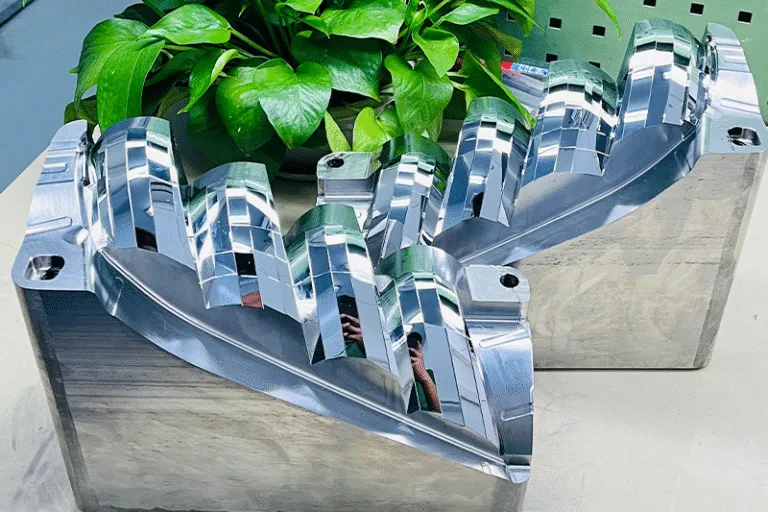
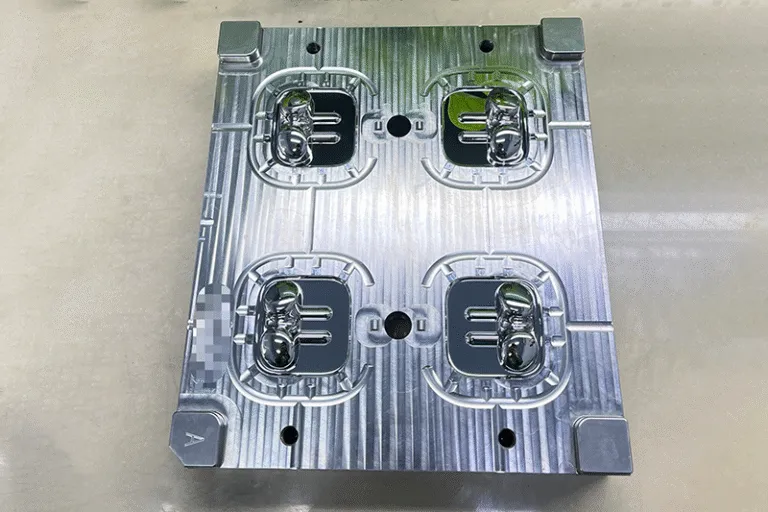
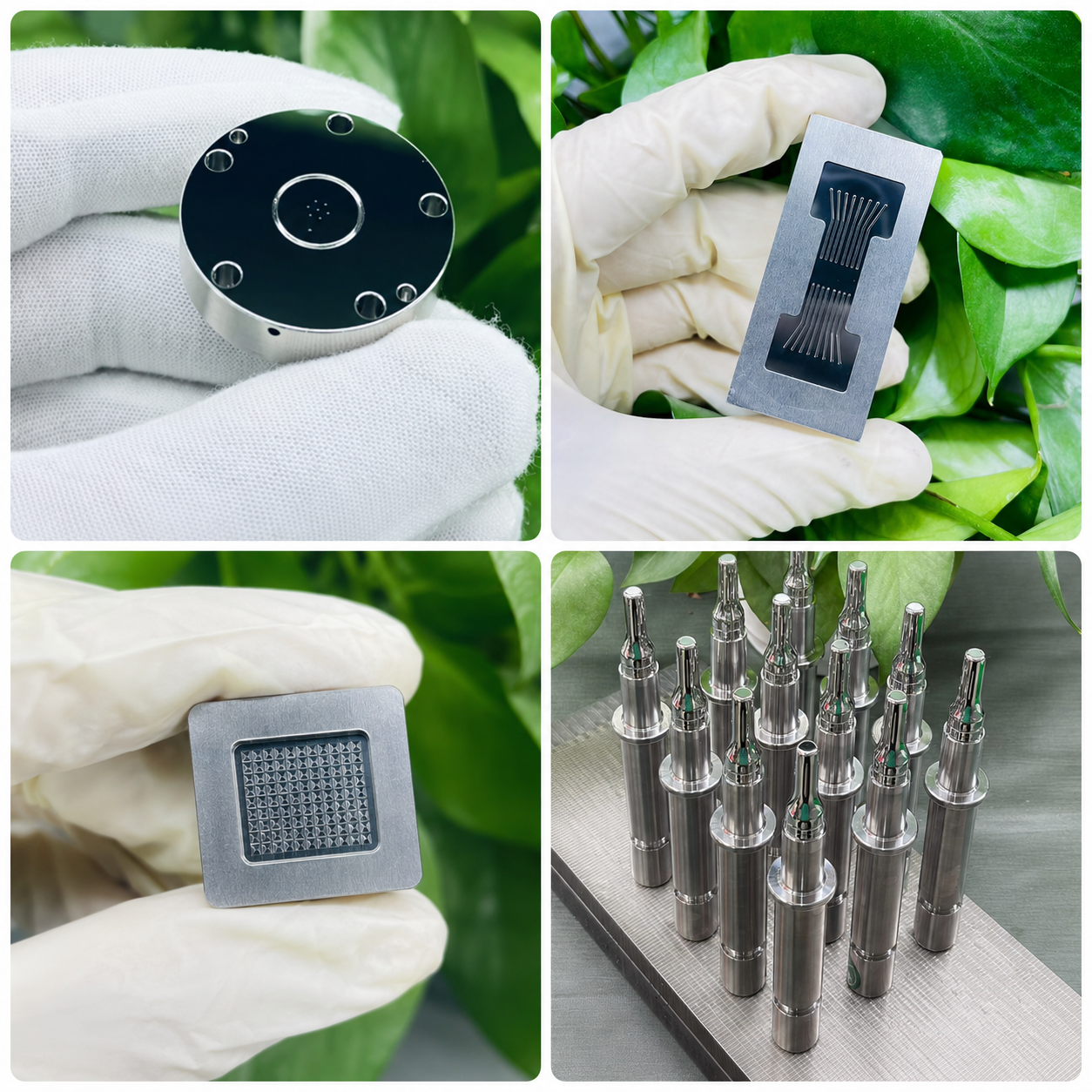
Yishun Optics provides comprehensive professional services to meet the needs of industries that rely on advanced optical components. Our core services include high-precision optical polishing, grinding, and ultra-precision machining, as well as custom solutions:

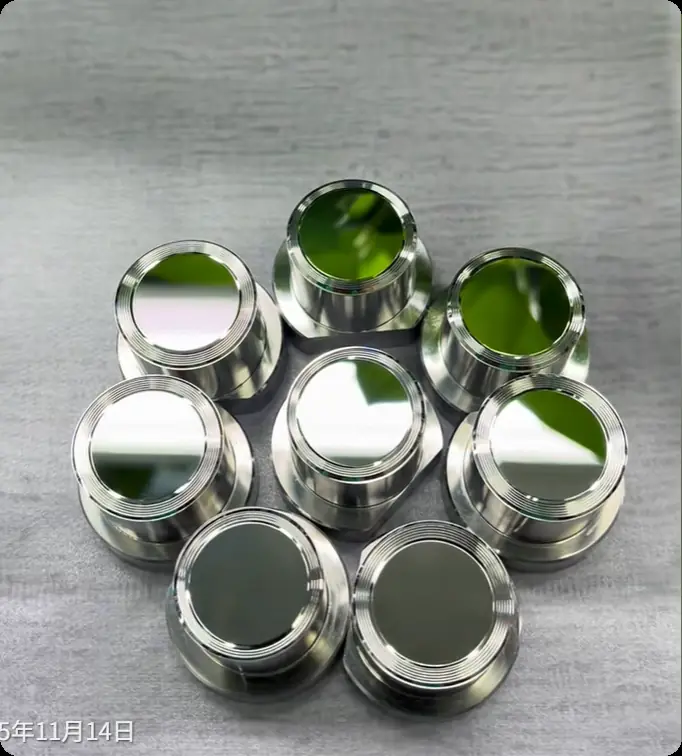
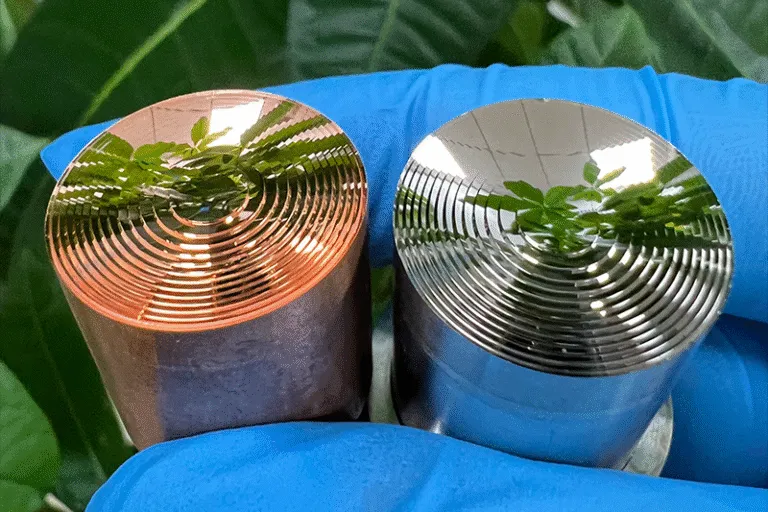
We provide specialized polishing and lapping services to achieve optical-grade surface finishes with roughness as low as nanometers. Using techniques such as magnetorheological finishing (MRF),ion beam figuring (IBF)and chemical mechanical polishing (CMP), we ensure that optical components have superior clarity and light transmission properties. Discover our Polishing & Lapping Services.

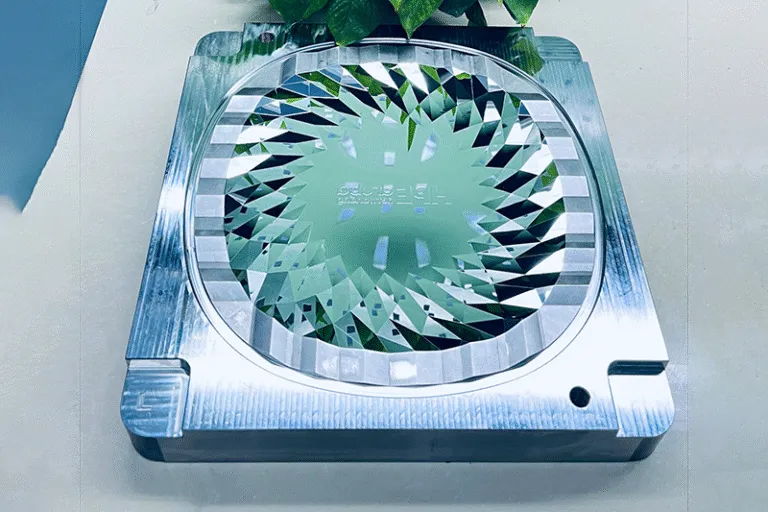
Our ultra-precision machining capabilities allow us to produce components with sub-micron accuracy, essential for the most advanced optical systems. Utilizing technologies like diamond turning, we cater to the stringent requirements of industries such as consumer electronics, automotive, and medical. Find out more about our Ultra-Precision Machining.

About Yishun Optical

Yishun Optical is a premier provider of optical mold design, manufacturing, and precision machining services. We specialize in delivering high-quality, customized optical solutions to clients globally. Our state-of-the-art facilities and experienced team ensure that every project is completed with the utmost precision and care.

Industry Experience
0 +Years
Employees
0 +
South China Factory
0 Plants
Factory Area
0

Why Choose Yishun Optical?

In the optical industry, precision is paramount. Yishun Optical is renowned for its expertise in optical mirror polishing and ultra-precision machining. Our mission is to provide cutting-edge technology and customer-centric services to businesses worldwide. Whether you need high-precision optical mirror finishes for smartphone cameras or complex optical components for medical imaging devices, we deliver excellence in every project. Our tagline, “Precision Engineering for Optical Excellence,” encapsulates our commitment to achieving nanometer-level accuracy and driving innovation. Join the ranks of industry leaders who trust Yishun Optical as their optical partner of choice.

Confidentiality Agreement

Secure technical and commercial secrets to prevent leakage of core information and the resulting loss of competitive advantage.

Innovation

We stay at the forefront of optical technology, continuously investing in R&D to bring the latest advancements to our clients.

Reliability

Known for on-time delivery and staying within budget, we are a partner you can count on.

Collaboration

We work closely with our clients from concept to delivery, ensuring that their vision is realized.

Cost-Effectiveness

We offer high-value solutions that optimize costs without compromising on quality.

Industry Solutions

Yishun Optical provides tailored solutions for various industries, ensuring that each project meets the specific demands of its application. Our expertise spans across the following sectors

Automotive

Advanced lighting systems, autonomous driving sensors, and in-car displays

Consumer Electronic

Camera lenses for smartphones, optics for virtual reality devices, and wearable technology

New Energy

Optical elements for solar panels, energy-efficient lighting, and wind energy systems

Medical

High-precision optics for medical imaging, diagnostic tools, and surgical equipment

Industrial Equipment

Optics for high-precision machinery, industrial automation, and laser processing systems

Home Appliances

Optical components for smart home devices, such as sensors and displays

Our Technological Edge

At Yishun Optical, technology is at the heart of our success. We invest in the latest optical engineering tools and processes to ensure unparalleled precision and quality:

Ultra-Precision Machining

Employing single-point diamond turning (SPDT) and ion beam figuring (IBF) to achieve surface roughness as low as 1 nm.

Advanced Design Software

Utilizing Zemax and Code V for optical simulation and SolidWorks for mechanical design.

Stringent Quality Control

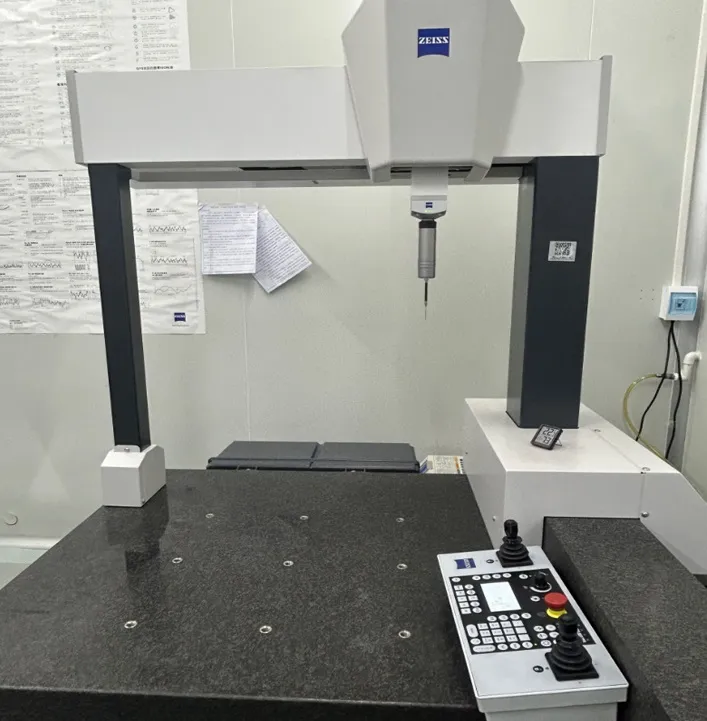
Using metrology tools like Zygo interferometers and atomic force microscopes (AFM) to ensure every component meets industry standards.

Customization Capabilities

From prototype development to mass production, we offer flexible solutions to meet your unique needs.

Put your parts into production today

All information and uploads are secure and confidential.

Voices of Our Clients

Our clients trust Yishun Optical for our commitment to excellence and customer satisfaction:

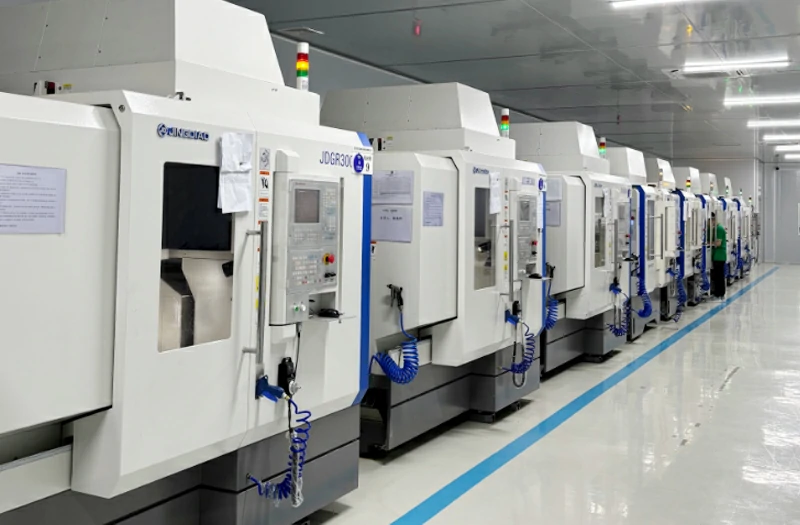
The advanced machines at YISHUN Optical, including diamond lathes and five-axis CNC centers, consistently produce flawless mirror finishes for our high-end projects. Their cutting-edge technology meets our strict standards every time.

Ahmed Khan (UAE) Project Manager at K-Precision

YISHUN Optical’s skilled technicians solved our complex polishing challenges with speed and accuracy. Their deep knowledge and problem-solving approach saved us both time and resources on critical orders.

Kate Thompson (UK) Production Manager at TechFocus

We rely on YISHUN Optical’s strict quality control processes for accurate measurements and consistent outcomes. Every shipment arrives meeting our exact specifications, ensuring a worry-free supply chain.

Michael Robinson (USA) Operations Director at AMCO

Blog & Latest Updates

Robotic Polishing Automation for Optical Molds: When and How to Upgrade from Manual Finishing

**Robotic polishing automation delivers ±0.001mm repeatability and eliminates quality variability inherent in manual finishing, making it essential for high-volume optical mold production.** Yishun Optical’s ABB 6-axis robotic polishing system combines advanced automation with skilled craftsmanship, achieving consistency impossible through manual methods while reducing cycle times by 30-50%.

## The Case for Robotic Polishing in Optical Mold Manufacturing

**Why should mold shops consider robotic polishing automation?** Traditional manual polishing dominates the industry, but faces mounting challenges: skilled worker scarcity, quality inconsistency between shifts, ergonomic concerns, and competitive pressure on lead times. According to CavityMold’s ROI analysis for automated polishing (2025), “switching to automated polishing significantly boosts consistency in your finishes, reduces that heavy reliance on highly skilled (and often hard-to-find) labor, drastically cuts down polishing time.”

For optical molds requiring Ra≤0.005μm surface finishes, robotic automation addresses limitations that no amount of skilled craftsmanship can overcome. Consistent tool path, controlled pressure, and repeatable positioning eliminate the variability that causes quality fluctuations and costly rework.

### The Limitations of Manual Polishing for Optical Molds

**What are the fundamental constraints of manual polishing?** According to Elibot’s analysis of polishing robot technology (2025), traditional mold polishing “occupies 35%-50% of mold development cycle time” for complex molds. A typical 3-month project can see polishing alone consume over one month, severely impacting delivery schedules and market competitiveness.

The core limitations include:

**Skill-Dependent Quality**: “Qualified polishing workers need 3-5 years of practice, becoming ‘polishing masters’ after 10+ years.” This expertise is increasingly rare in today’s labor market, creating production bottlenecks and quality risks when senior workers leave.

**Inconsistent Results**: “Manual polishing quality is affected by worker technical level and physical condition, with significant fluctuations.” For optical molds requiring micron-level precision, this variability is unacceptable.

**Ergonomic Challenges**: “High-dust, high-noise environments cause occupational disease risks.” Extended polishing creates physical strain that limits productive hours and contributes to skilled worker turnover.

**Knowledge Loss**: Manual expertise resides in individual workers’ experience and intuition, making it vulnerable to personnel changes and difficult to transfer systematically.

### Key Technologies Enabling Robotic Mold Polishing

According to CavityMold’s analysis, several technologies underpin modern robotic polishing:

**Sophisticated Path Generation Software**: CAD-derived tool paths ensure complete surface coverage with optimized trajectories. The robot follows programmed paths with precision impossible to achieve manually, especially for complex 3D contours.

**Force Control Systems**: “Force sensors allow the system to adjust pressure in real-time, which is crucial for achieving specific surface finishes without over-polishing.” Electronic pressure control maintains constant contact force despite surface variations.

**Abrasive Media Selection**: “Specialized abrasive stones, diamond pastes, lapping films, and brushes” selected for specific steel grades and target finishes ensure appropriate material removal rates at each process stage.

**Advanced Robot Kinematics**: Six-axis articulated robots provide the flexibility to reach complex geometries while maintaining precise tool orientation. ABB, KUKA, and Staubli robots dominate precision polishing applications.

## When to Upgrade: Recognizing the Right Time for Automation

### Volume and Complexity Thresholds

**Is your mold production ready for robotic polishing?** According to STRECON’s Robot Assisted Polishing (RAP) documentation, automated polishing suits:

– **Complex 2D and 3D components** with challenging geometries
– **High surface quality requirements** (Ra 0.06-0.01μm for critical applications)
– **Repeat production** where tool paths can be reused
– **Quality-critical applications** requiring consistency across batches

For low-volume prototyping or one-off custom molds, manual finishing often remains more economical. The ROI threshold depends on complexity, quality requirements, and production volume—typically justifying automation when annual polishing hours exceed 1,000-2,000 hours.

### Quality Consistency Requirements

**When does quality consistency justify automation?** For optical molds delivering products to major brands (Apple, Samsung, etc.), even subtle quality variations between cavities or shifts can cause customer complaints or line stoppages. CavityMold recalls: “I remember back when we relied solely on manual polishing for a high-volume job. The stress levels were through the roof trying to match finishes across shifts!”

For medical device molds, automotive optical components, or consumer electronics, robotic polishing provides documented consistency essential for supplier qualification and ongoing approval.

### Labor Market Realities

**How does workforce availability affect automation decisions?** Elibot notes that “high-skill polishing workers are increasingly scarce, difficult to meet industry demands.” Automation addresses this structural challenge, reducing dependence on scarce expertise while enabling consistent quality regardless of labor market conditions.

## ABB Robotic Polishing System: Technical Capabilities

### ABB Robot Integration for Optical Mold Finishing

According to ZMSH’s robotic polishing system specifications, ABB 6-axis robots achieve repeat positioning accuracy of ±0.04-0.10mm—sufficient for most mold polishing applications when combined with force control compensation.

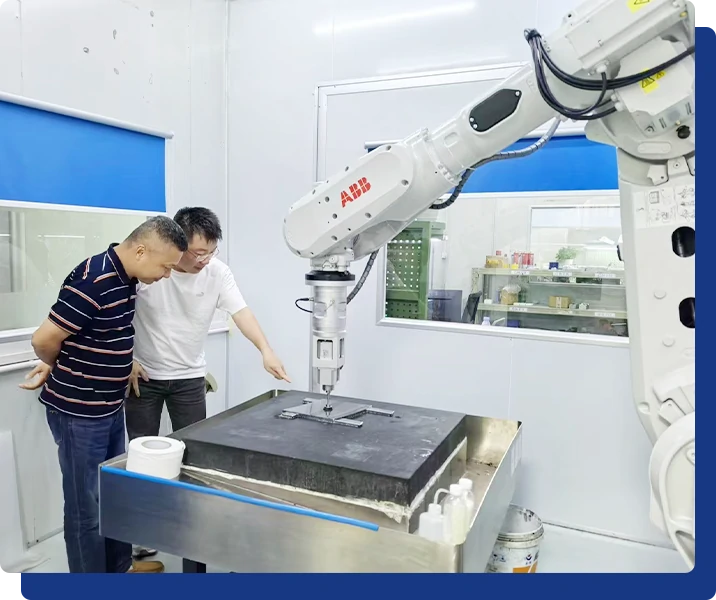
Yishun Optical operates ABB 6-axis robotic polishing achieving **±0.001mm repeatability**, exceeding standard industrial robot specifications through advanced force control integration and precision calibration. This level of accuracy enables optical mold finishing meeting the most demanding surface specifications.

### Force Control and Process Monitoring

Modern robotic polishing systems maintain constant contact force based on real-time sensor feedback. As ECER’s robotic polishing overview explains: “The electronic pressure cylinder maintains constant contact force based on real-time sensor feedback. This ensures avoiding both over-polishing and under-polishing during processing.”

Key capabilities include:

– **Real-time force adjustment** compensating for surface variations and tool wear
– **Process monitoring** tracking material removal and surface evolution
– **Adaptive path modification** responding to detected conditions
– **Quality documentation** recording process parameters for each workpiece

### Six-Axis Coordinated Motion

According to ECER’s system overview, “the industrial robot’s six-axis motion enables full-surface coverage, precise polishing of complex contours. This flexibility allows adaptation to diverse geometries while maintaining consistent tool alignment.”

This capability is essential for optical molds with complex 3D surfaces, deep cavities, and intricate details that challenge manual polishing consistency.

## Implementing Robotic Polishing: Best Practices

### Programming and Path Planning

**How do you prepare molds for robotic polishing?** According to STRECON’s RAP system documentation, programming follows these principles:

1. **CAD file import** provides the geometric foundation for path generation
2. **Surface analysis** identifies critical features and quality requirements
3. **Tool selection** matches abrasive media to steel grade and target finish
4. **Path generation** creates optimized trajectories covering all surfaces
5. **Simulation** verifies collision-free operation before execution
6. **Parameter optimization** adjusts speed, force, and approach based on results

For repeat production, programming investment amortizes across multiple cavities and production runs, dramatically reducing per-mold costs.

### Hybrid Approach: Combining Robotic and Manual Finishing

**Can robotic and manual polishing work together?** Yes. According to STRECON: “The skilled craftsman is setting and controlling the polishing equipment for the different parts as opposed to doing the polishing work by hand.” This “robot-assisted” approach combines automation efficiency with human judgment for critical features.

Yishun Optical employs hybrid finishing where robotic polishing handles bulk surface areas and complex geometries, while skilled craftsmen address critical details, final quality verification, and process optimization.

### Skill Development for Robotic Polishing Operations

**What skills are needed for robotic polishing systems?** According to Elibot, robotic polishing requires different expertise than manual finishing:

– **Robot programming** for path generation and parameter optimization
– **Process engineering** for abrasive selection and sequence planning
– **Quality control** for surface inspection and specification compliance
– **System maintenance** for equipment reliability

This shifts mold finishing from craft-based to engineering-based work, potentially attracting different talent pools while enabling scalability.

## Yishun Optical’s Robotic Polishing Capabilities

### ABB 6-Axis Robotic Polishing System

Yishun Optical operates **ABB 6-axis robotic polishing** delivering:

– **±0.001mm repeatability** exceeding standard industrial robot specifications
– **Force-controlled polishing** preventing over-cut and surface damage
– **Complex geometry access** through 6-axis coordinated motion
– **Process documentation** for quality traceability

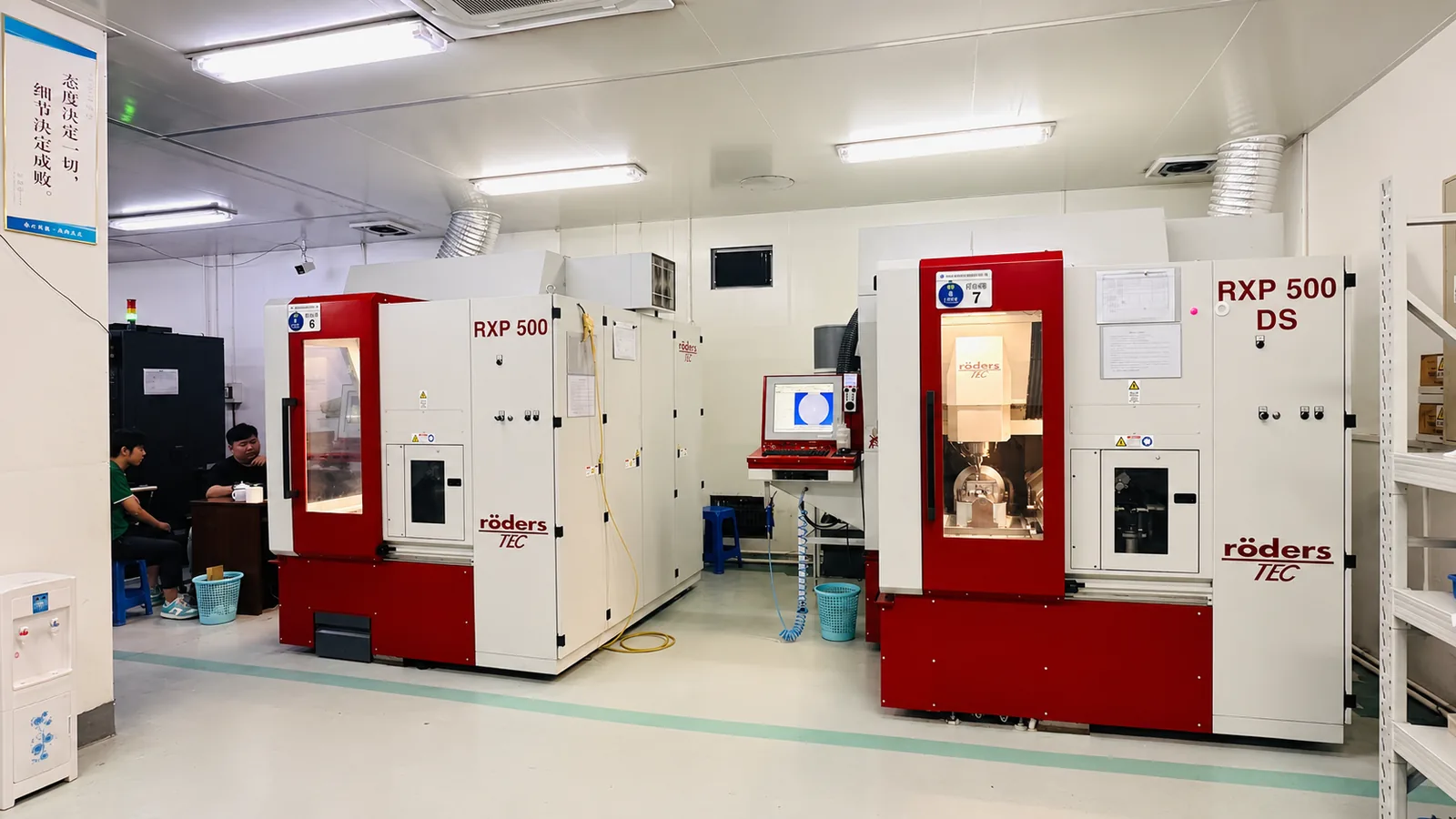
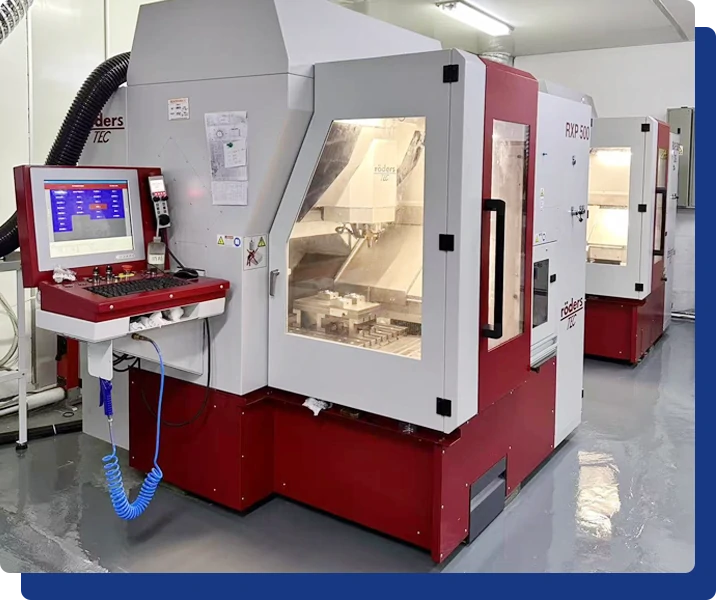
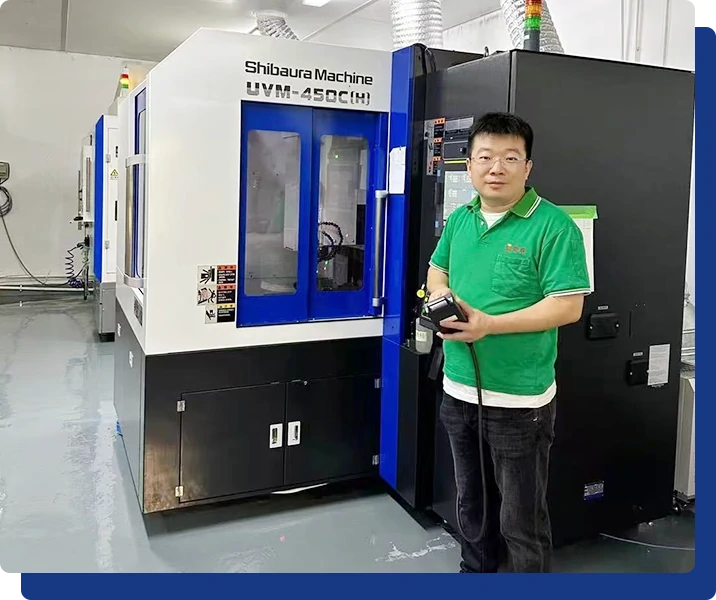
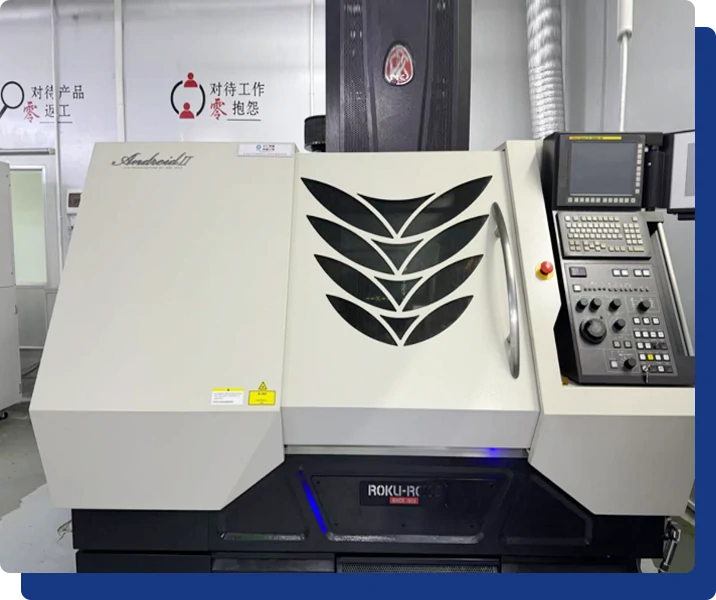
Combined with our 25 five-axis machining centers (Röders RXP500DS, Roku Roku) and 4 Toshiba UVM ultra-precision machining centers (PV≤0.15μm), our robotic polishing system delivers optical mold finishing meeting Apple Gold Supplier standards.

### Integration with Ultra-Precision Machining

Our equipment portfolio enables integrated workflow:

1. **Ultra-precision pre-machining** with PV≤0.15μm prepares near-finish surfaces
2. **Robotic polishing** removes machining marks with consistent material removal
3. **Japanese copper grinding head process** achieves final mirror finish (30% time savings, zero orange peel)
4. **Quality verification** confirms Ra≤0.005μm surface finish

This integrated approach reduces lead times while ensuring quality consistency impossible with manual processes alone.

### Quality Certifications Supporting Automation

As an ISO 9001 and ISO 14001 certified manufacturer with Apple Gold Supplier status, Yishun Optical maintains documentation and process control essential for automated manufacturing:

– Parameter tracking for each polishing operation
– Calibration records for all precision equipment
– Process capability studies demonstrating statistical control
– Continuous improvement based on SPC data

## ROI Analysis: Robotic vs Manual Polishing

### Investment Recovery Considerations

According to industry analysis, robotic polishing investment recovers through:

– **30-50% reduction in polishing time** through optimized tool paths and continuous operation
– **Quality consistency** eliminating rework and customer complaints
– **Reduced labor dependency** addressing skilled worker scarcity
– **Documentation capability** supporting supplier qualification
– **Scalability** enabling production increases without proportional labor additions

For mold shops processing 50+ molds annually with optical finish requirements, robotic polishing typically pays back within 12-24 months.

### Total Cost of Ownership

**What are the hidden costs of manual polishing?** CavityMold emphasizes that “sticking with what you know feels safe,” but hidden costs accumulate:

– Rework from quality inconsistencies between shifts
– Customer complaints and line stoppage costs
– Training investment for skilled worker development
– Turnover costs when skilled workers leave
– Opportunity costs from constrained capacity

Robotic polishing transforms these variable costs into predictable capital depreciation and operating expenses.

## FAQ: Robotic Polishing Automation for Optical Molds

### Q1: Can robotic polishing achieve the same quality as manual polishing?

Yes. Modern robotic polishing with force control achieves equivalent or superior surface quality to manual polishing. The key advantage is consistency—robotic systems achieve the same quality on every surface, every cavity, every shift, eliminating the variability inherent in manual finishing.

### Q2: What surface roughness can robotic polishing achieve?

Robotic polishing systems achieve Ra 0.05-0.01μm for injection mold applications, suitable for SPI A-3 to A-1 finishes. Combined with Yishun Optical’s Japanese copper grinding head process, we achieve Ra≤0.005μm for optical applications.

### Q3: How long does robotic polishing take compared to manual?

Robotic polishing typically reduces polishing time by 30-50% through optimized tool paths, continuous operation (no breaks or fatigue), and precise material removal without over-polishing. Complex molds see the greatest savings.

### Q4: What is the investment required for robotic polishing?

Entry-level robotic polishing cells start around $100,000-200,000 for robot, controller, and basic tooling. Advanced systems with force control, vision systems, and integrated measurement exceed $500,000. However, ROI typically recovers investment within 12-24 months for moderate production volumes.

### Q5: Can robotic polishing handle complex 3D mold geometries?

Yes. Six-axis articulated robots with force control access complex geometries including deep cavities, undercuts, and compound curves. Programming complexity increases with geometry, but modern CAM systems simplify path generation from CAD models.

### Q6: Does robotic polishing eliminate the need for skilled workers?

No. Robotic polishing requires different skills: programming, process engineering, and quality control. Skilled craftsmen remain essential for process development, critical feature finishing, and quality verification. The hybrid approach combines automation with human expertise.

### Q7: Why choose Yishun Optical for robotic mold polishing?

Yishun Optical combines ABB 6-axis robotic polishing (±0.001mm repeatability) with 20+ years of optical mold expertise. Our Apple Gold Supplier status, ISO certifications, and track record with 3,000+ mold sets demonstrate proven capability for demanding applications.

## Conclusion: Embracing Robotic Polishing for Competitive Advantage

**Robotic polishing automation is no longer optional for mold shops serving demanding optical applications.** The combination of quality consistency, labor efficiency, and documentation capability addresses challenges that manual finishing cannot overcome sustainably.

Yishun Optical’s ABB 6-axis robotic polishing system delivers ±0.001mm repeatability for optical mold finishing meeting the most demanding specifications. Combined with our ultra-precision machining capabilities and Japanese copper grinding head process, we deliver quality and consistency that differentiates us as an Apple Gold Supplier.

Ready to upgrade your optical mold finishing? Contact Yishun Optical for consultation on robotic polishing capabilities for your applications. Email yishun158@163.com, call +86-755-82594863, or visit https://yishunoptical.com/ to discuss your automation requirements.

![ABB industrial robot arm polishing metal workpiece in factory](https://s.coze.cn/image/cnpP2vKK3vI/)

Read More »

Outsourcing vs In-House Optical Mold Polishing: A Total Cost of Ownership Analysis

Making build-versus-buy decisions for optical mold polishing requires comprehensive cost analysis beyond unit prices. A slightly higher unit price from a reliable, high-quality supplier often results in lower total cost when factoring in reduced quality issues, fewer delivery problems, and lower qualification burden. This analysis examines direct costs, hidden expenses, and strategic considerations to guide procurement decisions for precision optical mold polishing services.

Read More »

Get Started with Your Optical Polishing and Ultra Precision Machining Projects

Ready to take your optical projects to the next level? Yishun Optical is here to support you every step of the way. Our team is dedicated to providing a seamless experience, ensuring that your optical components meet the highest performance standards through our expert polishing and ultra precision machining services.

Start Your Project With A Free Quote

Our professionals are available to talk you through each of our offerings. We’ll be sure to answer you within 24 hours. Fill out the information below with as much detail as possible, and we’ll get back to you promptly.